We often mourn musicians and actors when they pass, but there are other public figures and heroes who deserve just as much recognition for their life’s work.
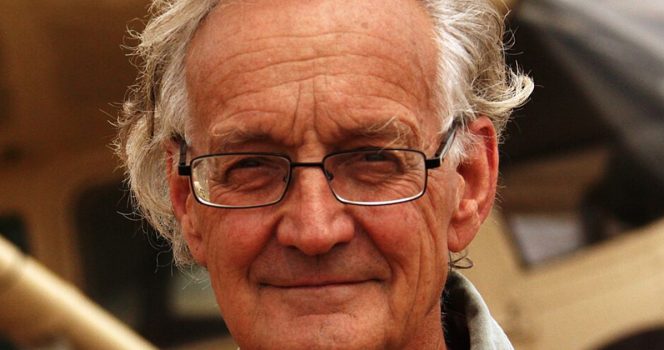
Iain Douglas-Hamilton was one of them.
The pioneering elephant conservationist has now passed away at the age of 83.
Ian Douglas-Hamilton wasn’t just a zoologist — he was the leading voice who first revealed to the world how elephants think, feel, choose, and grieve. His life’s work fundamentally transformed how humans understand and protect these animals.
Sadly, he died aged 83 at his home in Nairobi on Monday.
There’s no doubt about the impact Douglas-Hamilton made — just look at the people who paid tribute to him after the tragic news:
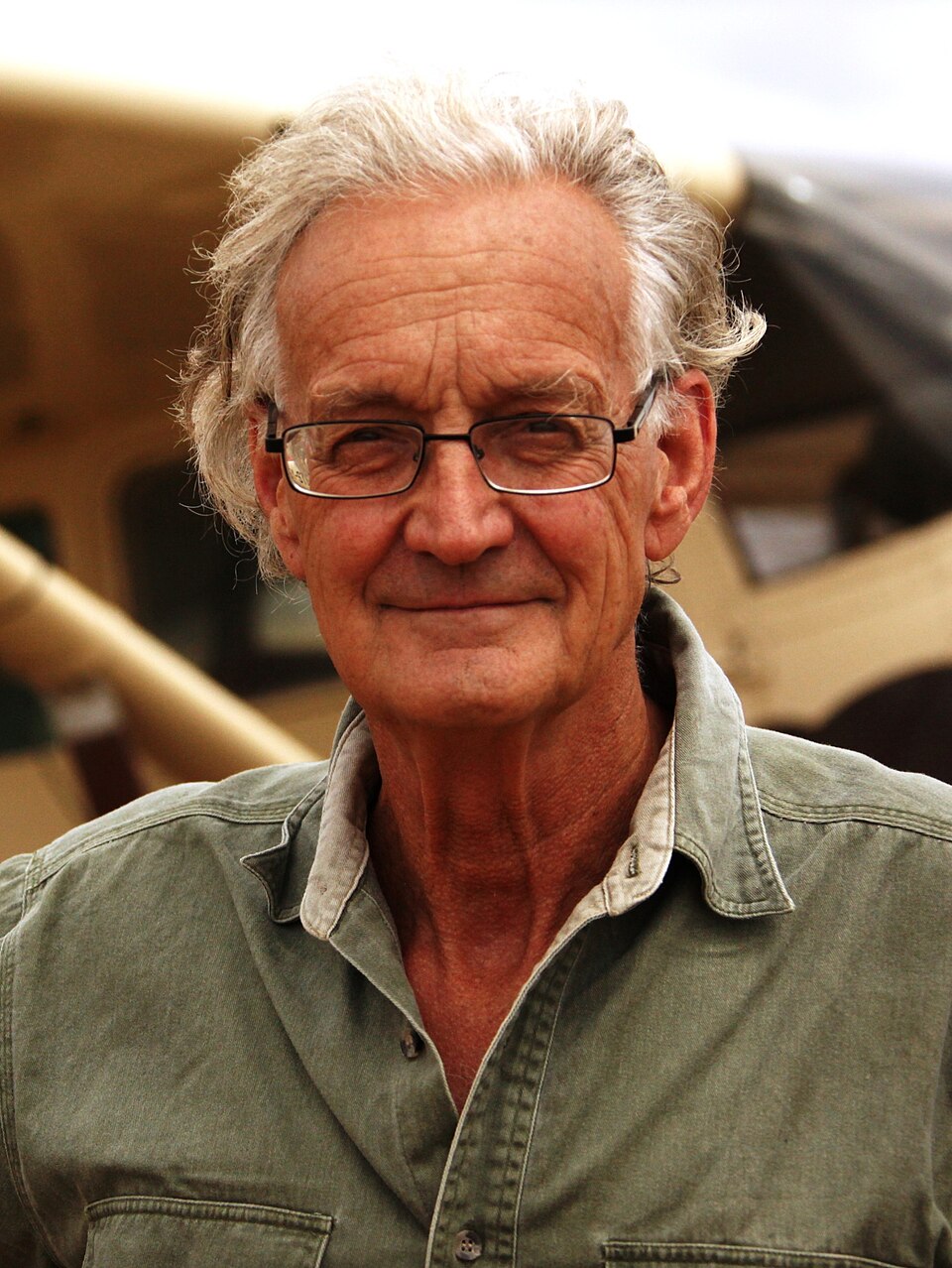
Prince William honored him as “a man who dedicated his life to conservation and whose life’s work leaves lasting impact on our appreciation for, and understanding of, elephants,” adding, “The memories of spending time in Africa with him will remain with me forever.”
Charles Mayhew, founder of Tusk, summed it up simply: “The world has lost a true conservation legend today, but his extraordinary legacy will continue.”
From Dorset to the heart of the savannah
Born in 1942 to an aristocratic family in Dorset, England, Douglas-Hamilton studied biology and zoology in Scotland and at Oxford. At 23, he moved to Tanzania’s Lake Manyara National Park, where he began the groundbreaking research that would define his life.
There, he painstakingly documented individual elephants, recognizing them by their ear shapes, wrinkles, and personalities. He later said, “Nobody had lived with wildlife in Africa and looked at them as individuals yet.”
His early research became the foundation for modern elephant conservation science.
Exposing the ivory crisis
While studying elephants, Douglas-Hamilton soon realized he was documenting something far darker: a continent-wide wave of poaching. He was charged by elephants, nearly killed by bees, and even shot at by poachers while tracking herds.
His aerial surveys revealed the scale of the slaughter — numbers that shocked the world — and helped secure the 1989 global ban on the international ivory trade.
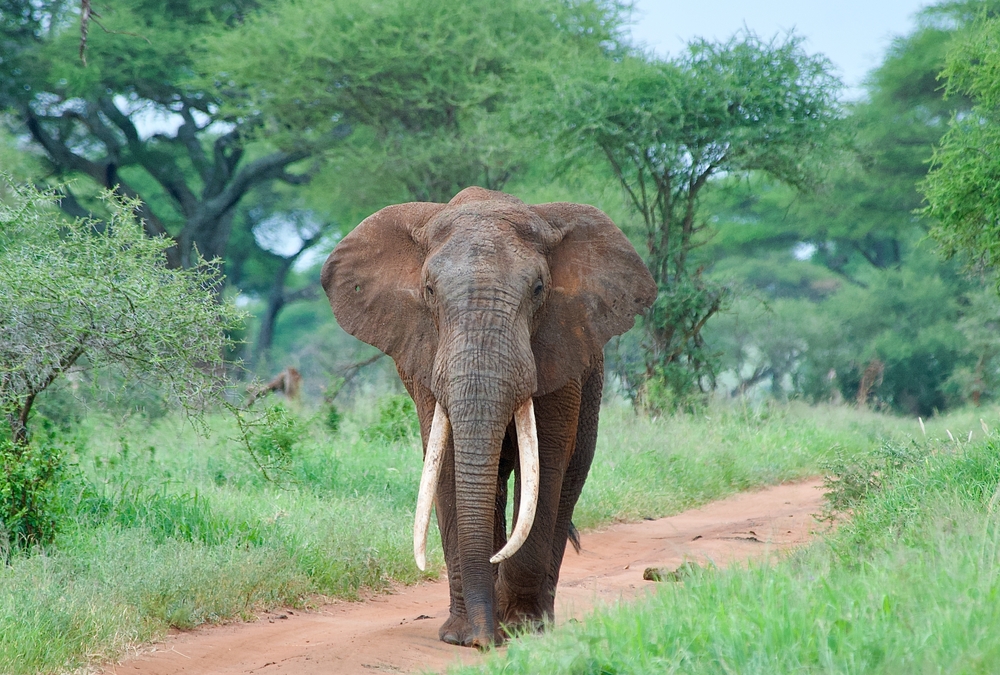
He later described the crisis as “an elephant holocaust.”
Jane Goodall, who appeared in the 2024 documentary A Life Among Elephants, said he showed the world that elephants “are capable of feeling just like humans.”
Building a future for elephants
In 1993, Douglas-Hamilton founded Save the Elephants, now one of the world’s most influential conservation organizations. He pioneered GPS tracking of elephants long before it became widespread, showing the world their complex decision-making and long-distance migrations.
Frank Pope, CEO of Save the Elephants and Douglas-Hamilton’s son-in-law, said: “Iain changed the future not just for elephants, but for huge numbers of people across the globe. His courage, determination and rigour inspired everyone he met.”
His collaboration with global leaders, including Barack Obama and Xi Jinping, helped pave the way for the 2015 U.S. and China agreements to dramatically restrict the ivory trade.
Across his six-decade career, Douglas-Hamilton received dozens of international awards, including the Indianapolis Prize, the Order of the British Empire, and the Commander of the British Empire.
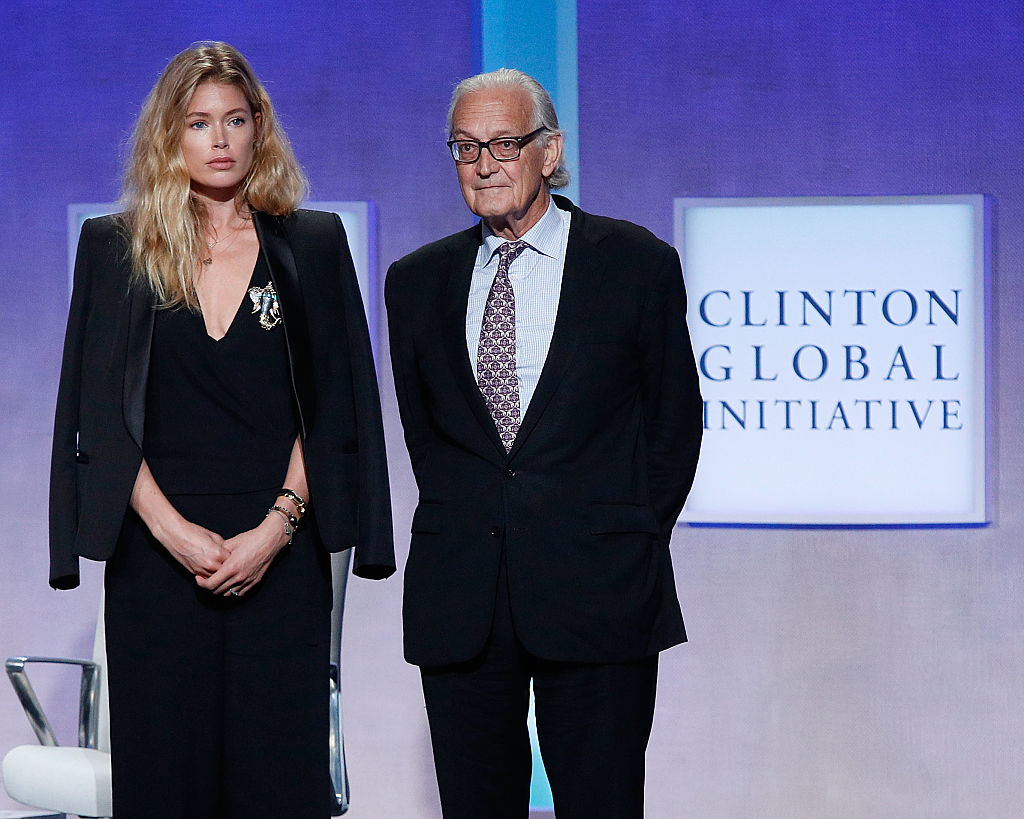
But his proudest mission remained simple: coexistence.
“I think my greatest hope for the future is that there will be an ethic developed of human-elephant coexistence,” he once said.
Douglas-Hamilton is survived by his wife Oria, daughters Saba and Dudu, and six grandchildren. But perhaps his greatest legacy is the one still moving across Africa today: thousands of elephants whose survival can be traced back to his work.
His dream, as he put it, was “for human beings to come into balance with their environment, to stop destroying nature.”
And thanks to Iain, that balance is just a little closer.