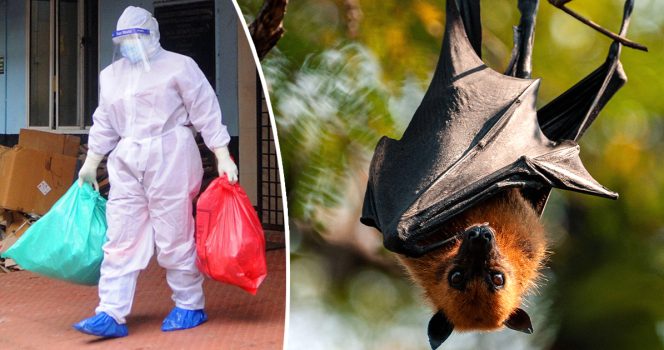
The Nipah virus is sparking concern in parts of Asia. Airports in Thailand, Nepal, and Taiwan have begun screening for the disease, which has a high death rate. So could this mean a new pandemic is on its rise? An expert has shared the truth about it.
The Nipah virus has spread due to an outbreak in West Bengal, India. Several countries, including Kathmandu’s airport, have begun screening to identify people who may carry the virus. Since December, two cases have been confirmed. They reportedly were among the health workers.
Thereafter, per the BBC, 196 people who were in contact with them have been traced but tested negative, the Indian health ministry stated.
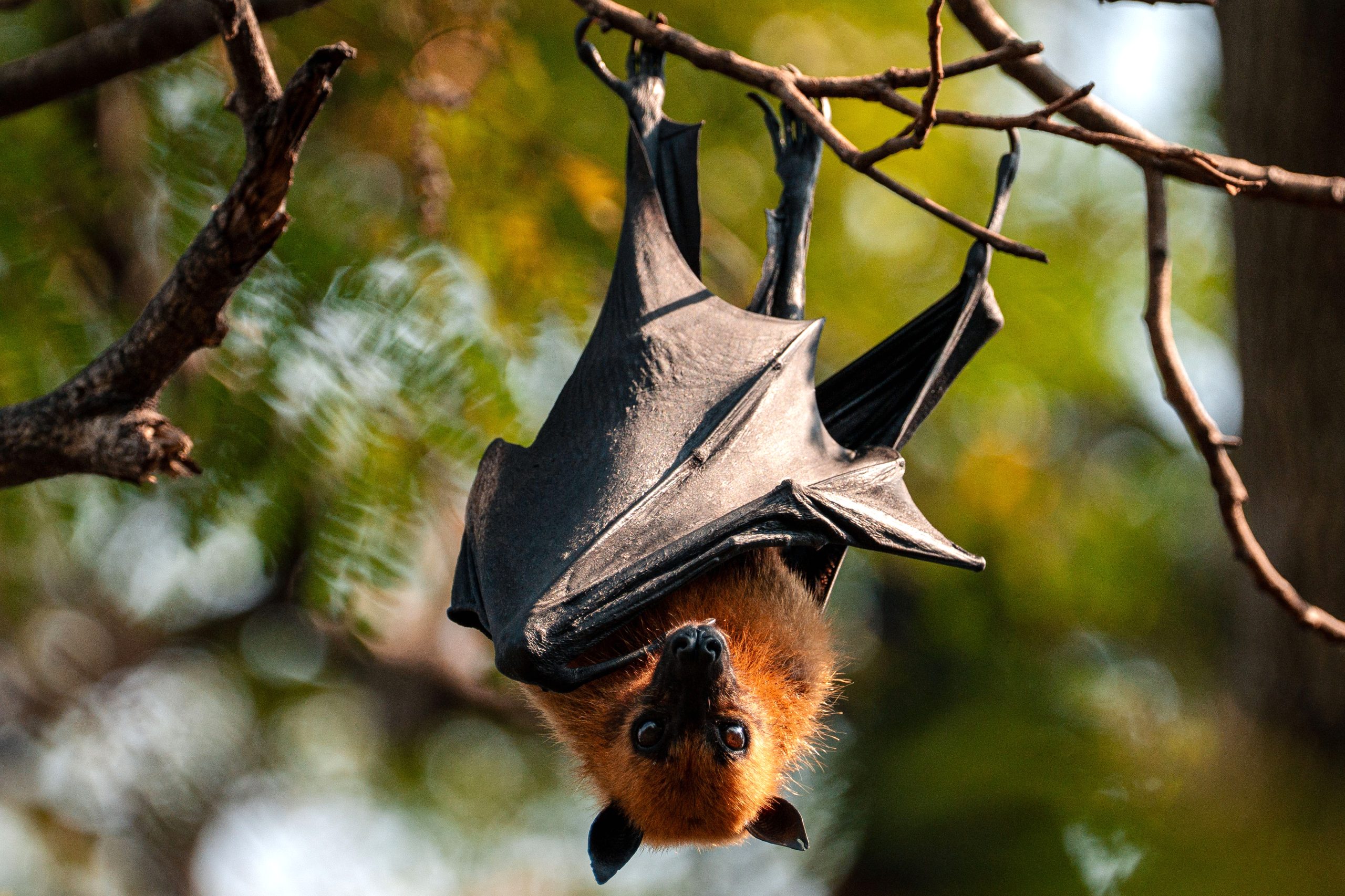
The Nipah virus can spread from animals, such as pigs and fruit bats, to humans. The death rate ranges from 40% to 75%, and as for now, there is no vaccine or medicine to treat it.
The incubation time ranges from 4 days to 2 weeks. Initial symptoms could include fever, headaches, muscle pain, vomiting, and sore throat. For some, this may be followed by drowsiness, altered consciousness, and pneumonia. Moreover, Encephalitis, a possibly fatal condition that causes inflammation of the brain, can also occur.
Nipah virus expert speaks out
The World Health Organization (WHO) has described the Nipah virus as one of its top ten priority diseases alongside, for example, the Zika virus and Covid-19. They do so as it has the potential to trigger an epidemic.
Per Unilad, in India and Bangladesh, so-called spillover infections, meaning transferring from an animal to a human, are most commonly linked to people drinking raw date palm sap. It’s collected from trees in winter and drunk during the coldest months. However, it’s not strange that it is contaminated by bts.
Speaking to Unilad, Doctor Emily Gurley, Professor of Epidemiology of Infectious Diseases at Johns Hopkins University, said that the fatality rate among patients who have contracted the virus from bats is around 90%.
In comparison, human-to-human transmission’s fatality rate is around 40% to 50%.

Dr Gurley serves on the World Health Organization’s Nipah Virus Taskforce. She further stated that it’s unlikely that the Nipah virus, first identified in 1997, will cause a global pandemic, despite the concerns.
“If this is like past Nipah outbreaks, then no – the virus just isn’t very transmissible,” she said, adding that on average, each infected person passes the virus to just 0.3 other people.
“Should pay close attention to”
“Sometimes you do see variation, where one person infects multiple others, and that’s when larger outbreaks happen,” she continued. “But typically it returns to the average, and the outbreak ends. That’s what we’ve always seen.”
“[That is] unless there’s something very different about this virus that makes it more transmissible. What we’ve observed is not outside of the ordinary, but again, it’s something that we should pay close attention to.”
Are you afraid of the Nipah virus? Please share your thoughts about it in the comments section.