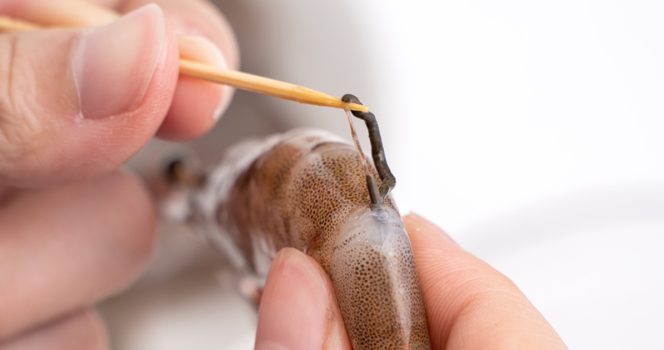
If you’ve ever cooked shrimp, you might have noticed a little black line running down its back—and maybe felt a twinge of disgust. Don’t worry, you’re not alone.
That mysterious “black vein” has confused home cooks for decades.
So what is it, and should you actually care? Spoiler: it’s not as scary as it looks—but cleaning it out can make your shrimp taste way better.
What is the black vein anyway?
Contrary to what some might think, that black line isn’t a blood vessel — it’s the shrimp’s digestive tract. In other words, it’s the shrimp’s “poop chute.” 😬
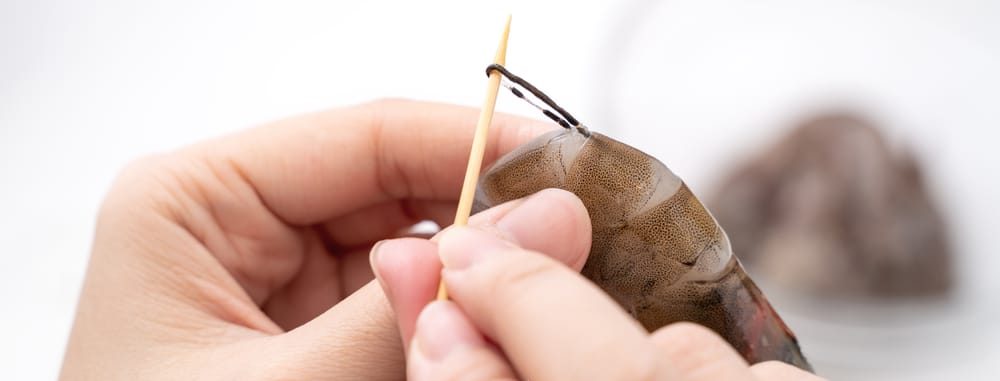
While it’s perfectly safe to eat, it can carry grit and give your shrimp a slightly bitter, sandy taste. That’s why chefs often recommend removing it, especially if you’re serving shrimp in salads, scampi, kabobs, or any dish where presentation matters.
Why deveining shrimp is worth it
Deveining shrimp isn’t just a fancy chef move—it actually makes a difference. Removing the vein improves flavor, avoids any unwanted crunch from sand or grit, and makes your shrimp look like something straight out of a cooking magazine.
Here’s the simple way to do it:
- Rinse your shrimp under cold water.
- Use a small paring knife or shrimp deveiner to make a shallow cut along the back.
- Lift out the vein with the tip of the knife or your fingers.
- Rinse again to get rid of any leftover grit.
With a little practice, you can devein a shrimp in under a minute—easy peasy!
Not everyone goes through the trouble, though. Tiny shrimp often have veins so small they don’t affect taste, and farm-raised shrimp tend to be cleaner than wild-caught. If you’re tossing shrimp in a heavily spiced dish, the vein’s flavor might disappear anyway. So it’s really up to your preference—but for a cleaner, more elegant plate, it’s worth the extra step.
Tips for buying the best shrimps
Shrimp are a popular seafood enjoyed all year round. There are many varieties to choose from, including fresh shrimp, smoked shrimp, shrimp packed in brine, frozen shrimp, and large jumbo shrimp.
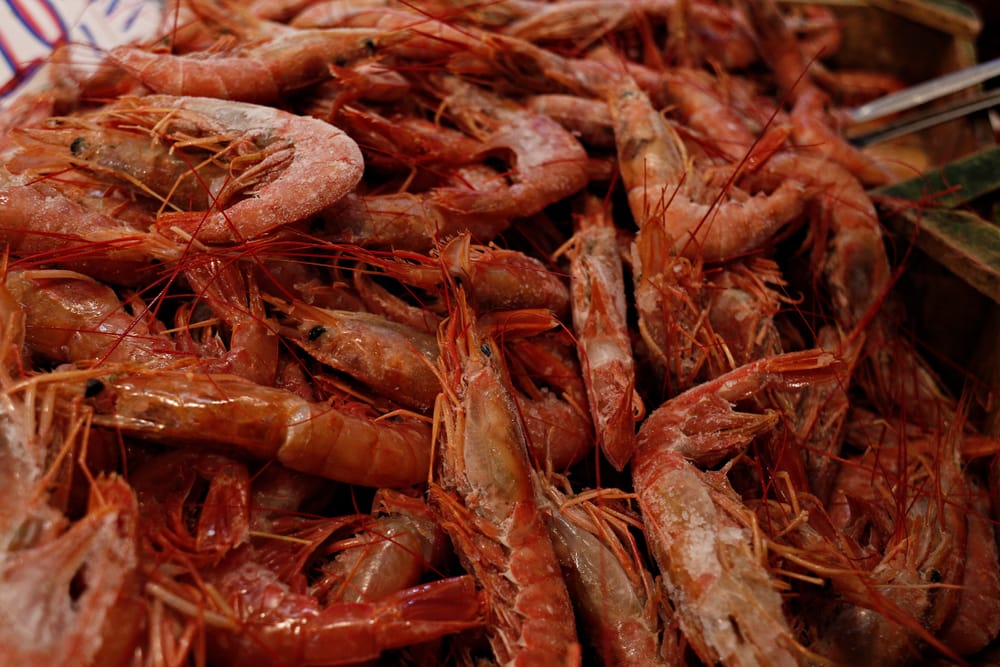
But if you ask me, fresh shrimp makes all the difference. Look for:
- Firm flesh and a mild sea smell
- Shiny, moist shells (for unpeeled shrimp)
- Translucent, springy flesh (for peeled shrimp)
Decide between wild-caught or farm-raised based on taste, budget, and sustainability. And if you want to skip cleaning entirely, some stores sell pre-deveined shrimp, handy, but usually pricier.
Bonus tip: If you buy shrimp with shells, try making a stock from them next time—perfect for a flavorful soup or stew.
Common shrimp-cooking mistakes
- Overcooking: Shrimp cooks fast—just a few minutes of heat, and you’re done. Overdo it, and you get rubbery shrimp nobody wants.
- Skipping cleaning: Leaving the vein in can affect taste and presentation.
- Poor thawing: Never thaw shrimp at room temperature—use the fridge or cold running water.
- Wet shrimp: Pat dry before cooking for the best sear.
Why shrimp is actually a superfood
Shrimp isn’t just delicious; it’s packed with nutrients. Low in calories, high in protein, loaded with vitamin B12, selenium, and omega-3s, shrimp is basically a heart-healthy, immune-boosting superhero on your plate.
That little crustacean can help improve cholesterol, reduce inflammation, and keep your heart strong.
So next time you’re cooking shrimp, take a minute to devein it.
Not only will it taste better, but you’ll also get all the health perks without any unexpected crunch. Whether you’re grilling, tossing in pasta, or throwing together a quick salad, shrimp is an easy, nutritious way to level up any meal.