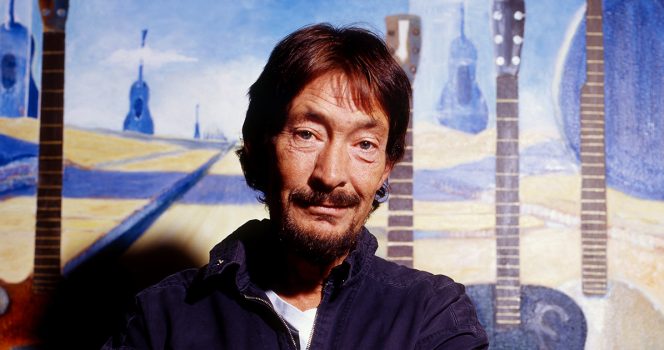
Beloved British rocker Chris Rea, the gravel-voiced singer behind the enduring holiday favorite Driving Home for Christmas, has died at the age of 74, his family confirmed.
Battled cancer
The Middlesbrough-born musician passed away peacefully in hospital following a short illness, surrounded by loved ones. In a statement released on behalf of his wife and two children, the family said they were announcing his death “with immense sadness,” adding that Rea died calmly and with family at his side.
Rea had faced serious health challenges for much of his later life. He was diagnosed with pancreatic cancer in 2001 and underwent major surgery to remove his pancreas, an operation that dramatically altered his health and career. In 2016, he also suffered a stroke. Despite these setbacks, his music continued to resonate with fans across generations.

Rising to fame in the late 1970s and 1980s, Rea became known for his soulful guitar work, husky vocals, and reflective songwriting. Early hits like Fool (If You Think It’s Over) — which earned a Grammy nomination — introduced him to international audiences, while later classics such as Let’s Dance and On the Beach cemented his status in the UK and Europe.
His breakthrough into superstar territory came with The Road to Hell in 1989, an album that turned him into one of Britain’s biggest solo artists. That record, along with its 1991 follow-up Auberge, both topped the UK charts and helped define his signature blend of blues, rock, and introspective storytelling.
Secret behind Driving Home for Christmas
For many listeners, however, Rea will forever be associated with Driving Home for Christmas. Rea never intended to write a Christmas song. But in the mid-1980s while casually testing out pianos with his keyboard player Max Middleton, he stumbled upon a tune that unexpectedly matched the lyrics he had written, turning the song into the holiday classic it would later become.
Inspired by the simple frustration of holiday travel, the song has grown into a seasonal staple — played endlessly on radio, featured in commercials, and embraced as one of the most recognizable Christmas songs in the English-speaking world.
”It has that hope and warmth to it, like all the classic Christmas songs,” Rea told The Independent. ”That and the frustration of being stuck in the motorway traffic – that’s what people relate to.”
“What’s funny is that I’d been banned from driving just before I wrote it, and we originally thought we’d give it to Van Morrison. It was a Fifties jazz thing, like he used to do. Then the record label put it out as a B-side of mine, and a DJ started playing it. And here we are today.”
Though he never fully chased fame in the U.S. the way some of his peers did, Rea’s music found a devoted global audience, especially among fans drawn to his authenticity and emotional honesty.

Chris Rea leaves behind a powerful legacy — one of resilience, quiet depth, and songs that continue to soundtrack long drives, late nights, and Christmases around the world. RIP!